
Writing a book is one of the most rewarding yet challenging creative endeavors. Many aspiring writers start with a great idea but struggle to transform it into a complete manuscript. Challenges such as writer’s block, lack of structure, time constraints, and difficulty organizing ideas often prevent writers from finishing their projects.
In recent years, artificial intelligence has begun to reshape how writers approach the creative process. AI writing tools can assist with brainstorming, drafting, editing, and organizing content. While many AI tools focus primarily on short-form content like marketing copy or blog posts, some platforms are designed specifically for long-form writing.
Squibler.io is one such platform. It is an AI-powered writing tool built specifically for authors, novelists, screenwriters, and content creators who want to write books or other long-form content more efficiently.
Rather than acting as a simple AI text generator, Squibler functions as a full writing environment where users can plan their story, structure chapters, generate content with AI, and manage the entire writing process from start to finish.
This review explores how Squibler works, what features it offers, and how it can help writers turn ideas into finished manuscripts.
Table of Contents
What Is Squibler.io?
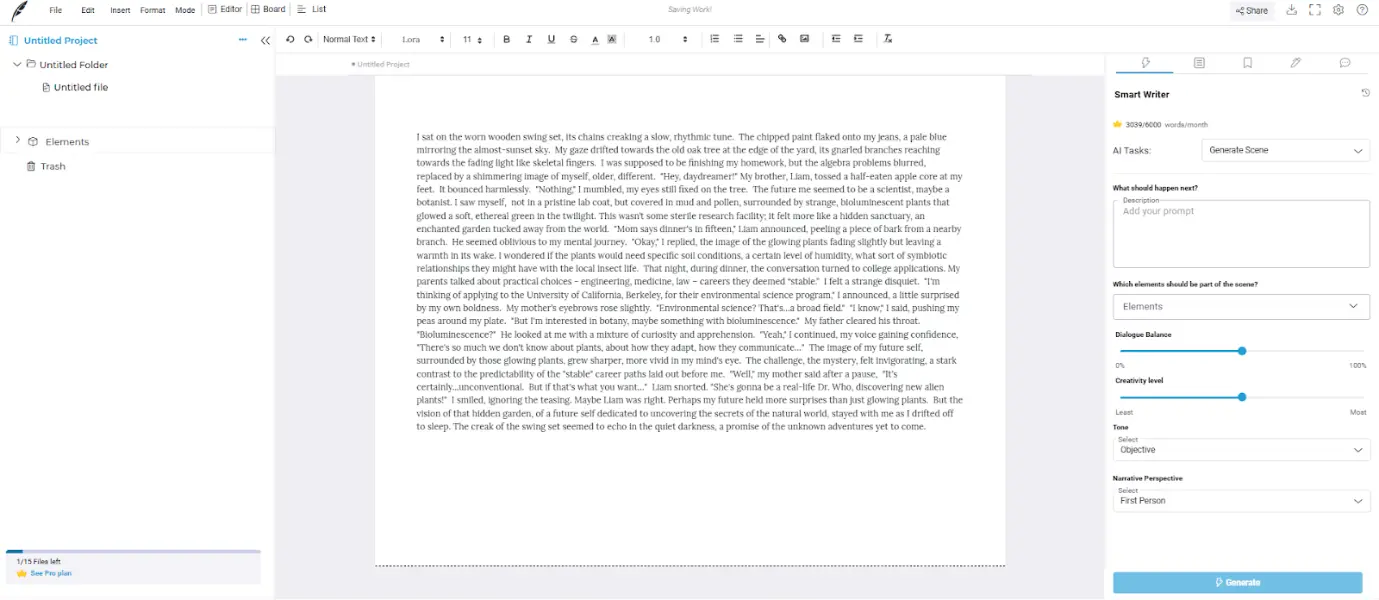
Squibler.io is an AI-assisted writing platform designed to help writers create books, novels, screenplays, and other long-form written content. The platform combines multiple tools that writers typically use throughout the writing process into a single interface.
Instead of switching between different applications for outlining, writing, organizing notes, and editing, Squibler allows writers to manage everything in one workspace.
The platform supports writers through several stages of the writing process, including idea development, outlining, drafting, editing, and manuscript organization. By combining traditional writing tools with artificial intelligence, Squibler aims to streamline the creative process and make it easier for writers to complete large projects.
Squibler is particularly popular among independent authors, aspiring novelists, and writers who want a structured system for managing complex writing projects.
How Squibler Helps Writers Build and Finish Books
One of the biggest challenges in writing a book is maintaining momentum over time. A book can easily grow into tens of thousands of words, and without a clear structure or workflow, many writers abandon their projects before completion.
Squibler addresses this problem by providing a structured writing environment that helps users move from idea to finished manuscript step by step.
Writers can begin by brainstorming story concepts or outlining their book’s structure. Once the outline is established, they can start writing chapters with the assistance of AI tools that generate text, expand ideas, and help develop scenes.
Throughout the process, the platform keeps everything organized in a clear project structure, allowing writers to track their progress and maintain consistency across chapters.
Because the platform integrates both creative assistance and organizational tools, it helps writers focus more on storytelling rather than managing documents or formatting text.
Key Features of Squibler
AI Smart Writer
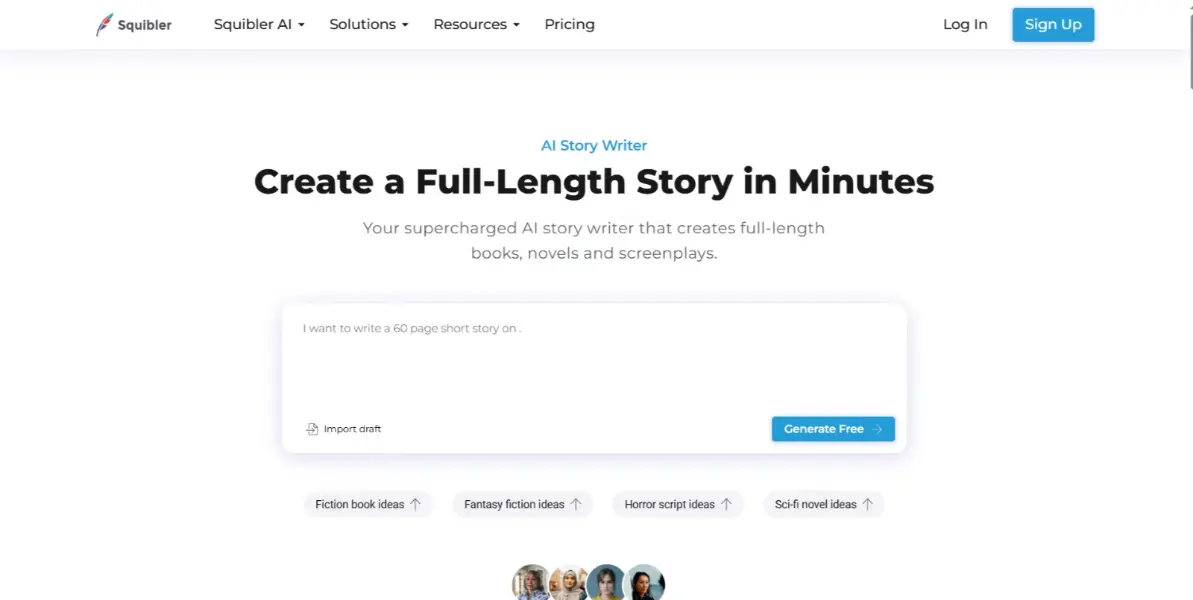
The AI Smart Writer is one of the core features of Squibler and plays a major role in helping writers accelerate their workflow. This tool acts as an intelligent writing assistant capable of generating text based on user prompts.
Writers can provide a brief instruction, scene description, or narrative idea, and the AI will generate paragraphs or dialogue that match the request. This can be particularly helpful when writers are trying to develop scenes or expand on story ideas.
For example, a writer working on a fantasy novel might enter a prompt describing a mysterious forest or an encounter between two characters. The AI can then generate a detailed description or conversation that fits the context of the story.
The AI Smart Writer is also useful for refining existing text. Writers can use it to rewrite sentences, expand paragraphs, or adjust tone and style. Instead of staring at a blank page, writers always have a starting point to work with.
This feature significantly reduces the time required to draft new sections of a manuscript while still allowing writers to maintain creative control over the final result.
AI Story Generator
Another powerful feature within Squibler is the AI Story Generator. This tool helps writers generate story concepts and plot structures based on a few simple inputs.
Users can enter details such as genre, character types, themes, or story settings. The AI then generates a narrative framework that includes potential plot developments and story arcs.
For writers who struggle with developing ideas, the Story Generator can provide inspiration and direction. It can suggest possible conflicts, character motivations, and narrative twists that help bring a story to life.
The generator can also assist writers who want to explore new genres or experiment with different storytelling styles. By producing multiple variations of story ideas, the AI encourages creative exploration and helps writers discover new possibilities for their narratives.
Instead of spending hours trying to develop the perfect concept, writers can quickly generate multiple story ideas and build upon the ones they find most compelling.
Chapter and Scene Organization
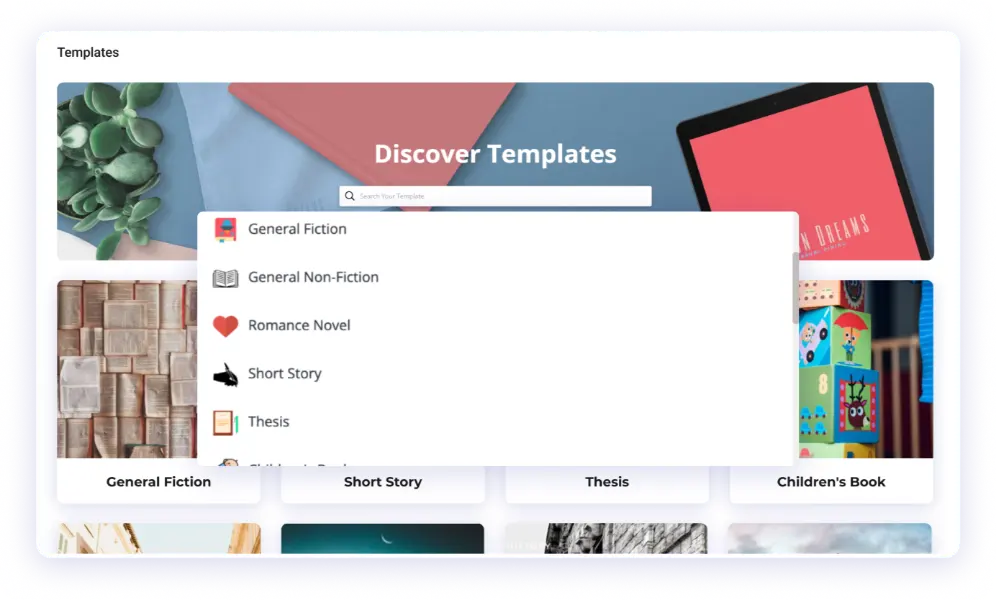
Writing a book involves managing a large number of sections, scenes, and narrative elements. Without proper organization, it becomes difficult to track the structure of the story or maintain consistency throughout the manuscript.
Squibler addresses this issue with a robust chapter and scene management system. Writers can divide their manuscript into chapters and further break those chapters down into individual scenes.
Each section can be edited independently, allowing writers to focus on one part of the story at a time while still maintaining an overview of the entire project.
This organizational system makes it easier to restructure a story if necessary. Writers can move scenes between chapters, rearrange sections of the narrative, or add new chapters without disrupting the rest of the manuscript.
By keeping the entire project clearly organized, Squibler helps writers maintain clarity and coherence throughout long writing projects.
Corkboard Story Planning System
The corkboard planning feature is designed to help writers visualize the structure of their story.
In this system, each scene or chapter appears as a digital card that can be moved around the board. Writers can rearrange these cards to experiment with different narrative structures or adjust the pacing of their story.
This visual approach to planning is extremely helpful for writers who think better in terms of story flow rather than strict outlines.
For example, a writer might realize that a particular scene would work better earlier in the story. Using the corkboard system, they can simply move the scene card to a new position and instantly reorganize the narrative structure.
This flexibility allows writers to experiment with their story structure without losing track of their ideas.
The corkboard system also makes it easier to see the big picture of a book project. Writers can quickly review how different scenes connect and ensure that the story progresses in a logical and engaging way.
Split-Screen Writing Workspace
Squibler includes a split-screen writing interface designed to improve productivity.
With this feature, writers can view two different sections of their project simultaneously. For example, they might display their outline or notes on one side of the screen while writing a chapter on the other side.
This eliminates the need to constantly switch between documents when referencing information about characters, plot points, or previous scenes.
The split-screen layout is particularly useful for complex writing projects that involve detailed world-building or multiple storylines. Writers can keep essential information visible while drafting new content, which helps maintain consistency throughout the manuscript.
Writing Prompts Library
Creative inspiration is not always easy to find, especially during long writing sessions. Squibler includes a large library of writing prompts designed to spark creativity and help writers generate new ideas.
These prompts cover a wide range of storytelling situations, character scenarios, and narrative themes. Writers can use them as starting points for scenes, character development exercises, or entirely new story ideas.
For instance, a prompt might describe an unusual situation between two characters or present a mysterious event that needs explanation. Writers can use these prompts to challenge themselves creatively and explore new narrative possibilities.
The prompt library is particularly helpful for writers experiencing creative blocks. Instead of struggling to find inspiration, they can select a prompt and begin writing immediately.
Writing Goals and Progress Tracking
Consistency is one of the most important factors in completing a writing project. Squibler includes built-in tools that help writers track their progress and maintain regular writing habits.
Users can set goals such as daily or weekly word counts. The platform then monitors their progress and displays how much they have written over time.
This feature encourages writers to maintain discipline and stay committed to their projects. Seeing steady progress toward a goal can be highly motivating and helps writers build productive writing routines.
By tracking progress visually, Squibler also helps writers identify patterns in their writing habits and adjust their workflow if necessary.
Types of Content You Can Create with Squibler
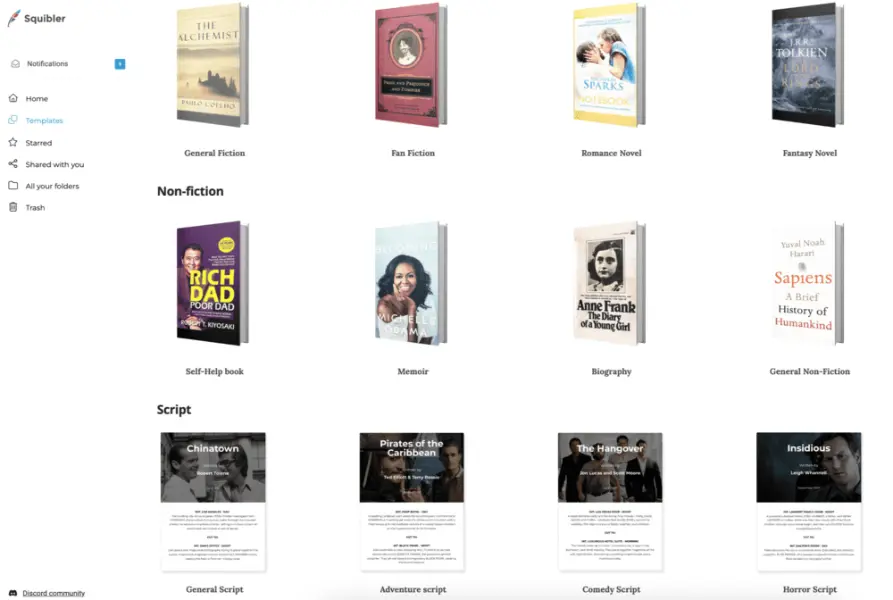
Although Squibler is primarily known as a book writing platform, it can be used to create a wide range of long-form content.
Novels
Fiction writers can use Squibler to plan and write novels across many genres, including fantasy, romance, mystery, thriller, and science fiction.
The platform’s AI tools help generate scenes, dialogue, and descriptions while the project management features keep the narrative organized.
Nonfiction Books
Squibler is also well suited for nonfiction projects such as educational books, self-help guides, and professional manuals.
Writers can outline chapters, organize research notes, and use AI assistance to develop explanations and examples.
Screenplays
For writers interested in film or television scripts, Squibler provides tools that help organize scenes and dialogue in a script format.
This allows screenwriters to focus on storytelling and character development while maintaining proper structure.
Long-Form Articles and Guides
Content creators can also use Squibler to produce detailed blog posts, research articles, or comprehensive guides.
The platform’s organizational features make it easier to manage long pieces of content that require clear structure and multiple sections.
Final Thoughts
Squibler.io is a powerful AI writing platform designed to help writers transform ideas into fully developed manuscripts. By combining AI writing assistance with powerful organizational tools, the platform provides a complete environment for long-form writing projects.
The platform supports every stage of the writing process, from brainstorming and outlining to drafting and editing. Its features help writers stay organized, maintain creative momentum, and manage complex projects more effectively.
For writers who want to produce books or other long-form content more efficiently, Squibler offers a structured and supportive writing environment that can significantly improve productivity.
As AI continues to evolve, tools like Squibler are making it easier than ever for writers to turn their creative ideas into finished works. Whether someone is writing their first novel or working on an extensive nonfiction project, platforms like Squibler can play a valuable role in bringing those ideas to life.